


How Excessive Screen Time Contributes to Myopia Progression
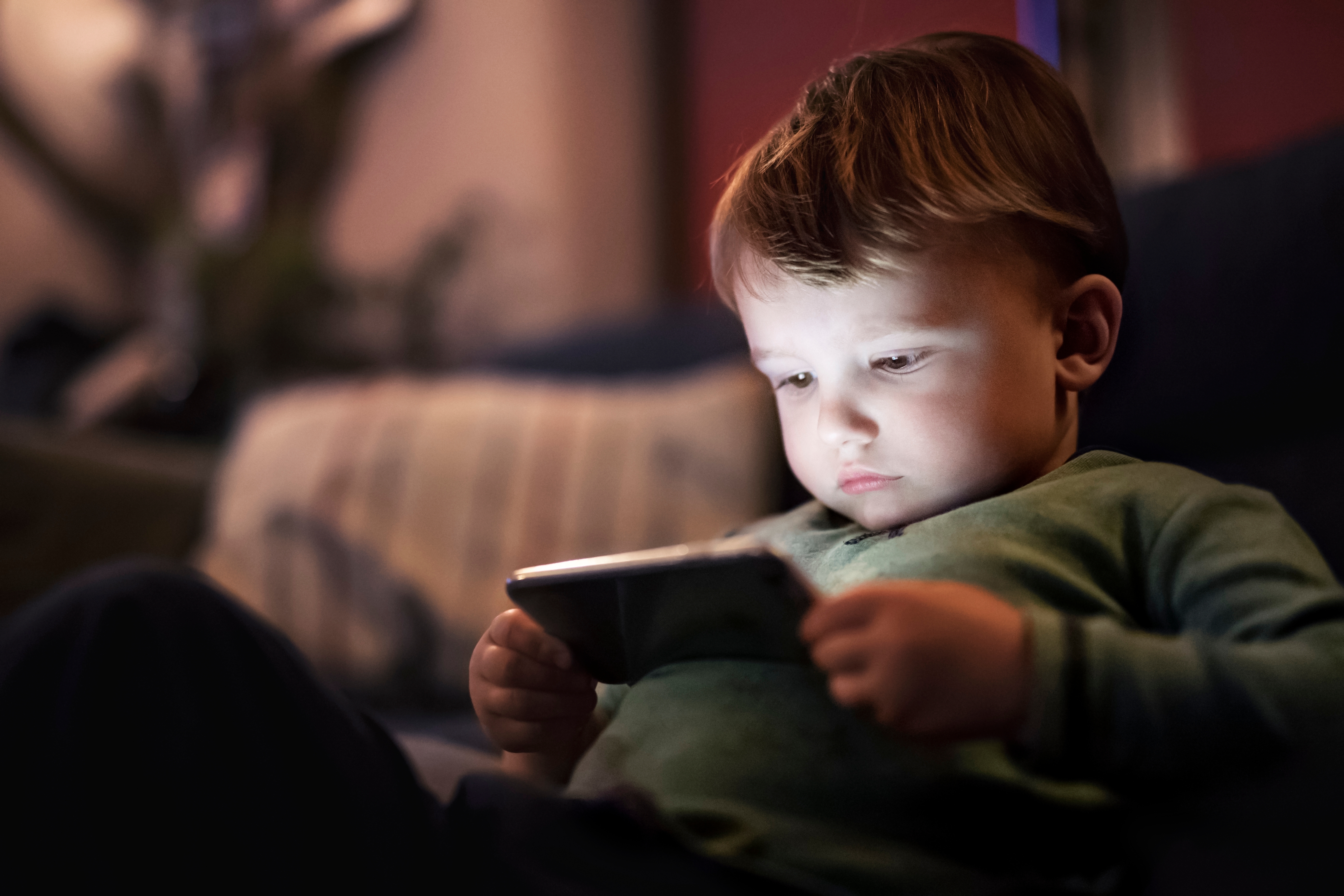
Screen time is part of daily life for most children, whether they are doing schoolwork, watching videos, or using tablets and phones for fun. As that time adds up, many parents in Yorba Linda start to wonder how it may be affecting their child’s vision. While screens are not the only reason myopia develops, too much close-up focus can play a role in how quickly it progresses.
How Near Work Affects Developing Eyes
Myopia, or nearsightedness, happens when the eye grows too long from front to back. This makes distant objects look blurry. Long periods of close-up focus - including screen use - can place extra visual demand on growing eyes. When this becomes a daily habit, it may increase the risk of worsening myopia over time. For children in Yorba Linda, this often looks like hours of homework, gaming, streaming, and scrolling with very little visual rest in between.
Screens Encourage Fewer Breaks
One of the biggest concerns with excessive screen time is how easy it is to stay focused for long periods without stopping. Children may hold devices too close, blink less often, and spend less time looking at distant objects. These habits can add to eye strain and may support the conditions that allow myopia to progress more quickly.
Signs It May Be Time For an Eye Exam
If your child spends a lot of time on screens, watch for changes that may suggest worsening nearsightedness. A pediatric eye exam can help us catch those changes early.
- Squinting to see the board or television
- Sitting very close to screens
- Complaints of headaches or tired eyes
- Holding books or tablets too close
- A recent drop in school or sports visual performance
What Parents Can Do at Home
Healthy habits can make a real difference. Encourage regular screen breaks, outdoor time, and better viewing distance during homework or recreational device use. The 20-20-20 rule is a simple place to start - every 20 minutes, look 20 feet away for 20 seconds.
It also helps to keep screens at a comfortable distance instead of right in front of the face. For many families in Yorba Linda, small routine changes can support better long-term visual habits.
The Importance of Early Myopia Management
Myopia is more than just needing stronger glasses every year. As it progresses, it may increase the risk of future eye health complications. At our Yorba Linda practice, we evaluate how a child’s vision is changing and whether myopia management may be appropriate. Depending on the child’s needs, treatment may include specialized overnight contact lenses called Orthokeratolgy, soft daily-disposable multi-focal contact lenses, or the newly FDA approved Stellest spectacle lenses. We also monitor prescription changes, eye growth, and daily habits like screen use and near work so we can recommend a plan that supports clearer vision and better long-term eye health.
Contact Charles Bittel III, O.D. to schedule your child’s eye exam and learn more about managing myopia treatment options. Schedule a visit or call our office in Yorba Linda, CA, at (714) 980-4554 to book an appointment today.

- Monday 8:00am - 5:00pm
- Tuesday 8:00am - 5:00pm
- Wednesday 8:00am - 5:00pm
- Thursday 8:00am - 5:00pm
- Friday 8:00am - 5:00pm
- Saturday 8:00am - 12:00pm
- Sunday Closed
© 2026 Charles Bittel III, O.D., Inc.. All rights Reserved. Accessibility Statement - Privacy Policy - Sitemap
Powered by:
