


How Long Does Dry Eye Last After LASIK?
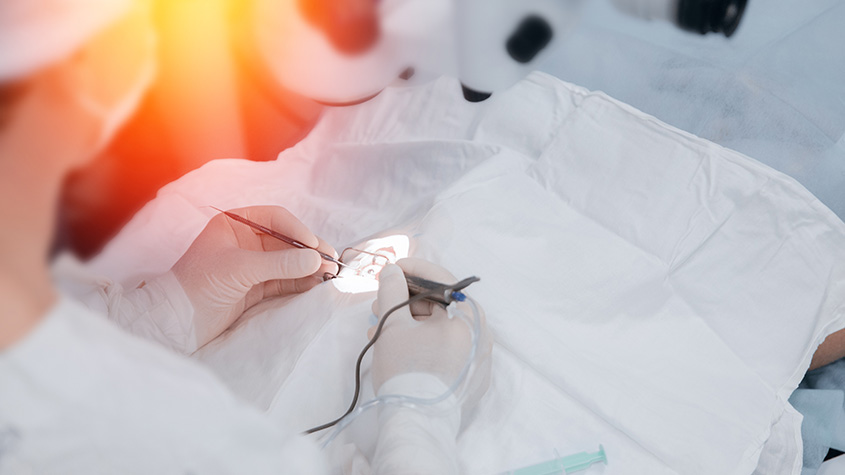
LASIK is a life-changing procedure for improving eyesight, but many patients linger after surgery with the question, “Why do my eyes feel dry?” You’re not alone if you’ve recently undergone LASIK and feel that gritty, sandpaper-like sensation.
Dry eyes are 1 of the most common side effects of the procedure. Fortunately, dry eye symptoms typically go away within a few weeks to months after the procedure, though they can last upwards of a year in rare cases.
Why Does LASIK Cause Dry Eyes?
During LASIK surgery, a laser reshapes your cornea—the clear front layer of your eye. While this is great for vision improvement, the process may temporarily disrupt the nerves responsible for generating natural tears. In addition, the body’s healing response, which results for many patients, is dryness in the days or weeks following the procedure.
Common Symptoms of Dry Eye After LASIK
If you’re experiencing dry eyes post-LASIK, you might notice symptoms such as:
- A gritty or scratchy feeling in your eyes
- Sensitivity to light
- Blurred vision, particularly toward the end of the day
- Redness or irritation
- Watery eyes (yes, watery eyes can paradoxically indicate dryness—your body attempts to compensate)
If these symptoms sound familiar, rest assured they’re normal. However, monitoring their duration and intensity is essential for proper care and recovery.
Who Is at Risk for Dry Eyes After LASIK?
Not everyone has the same risk level for developing dry eyes. Some factors that can increase the likelihood include:
- Pre-existing dry eye: If you already experience dry eyes, LASIK may temporarily worsen the condition.
- Age: Patients over 50 are more likely to experience dryness due to naturally reduced tear production.
- Hormonal changes: People experiencing pregnancy, menopause, or using birth control may have a higher risk due to hormonal shifts.
- Environmental factors: Living in a dry climate or spending long hours in front of screens can aggravate symptoms.
- High correction prescription: Due to the extent of the corneal reshaping, those undergoing LASIK to treat extreme nearsightedness or farsightedness may be more prone to dryness.
If you identify with 1 or more of these factors, discuss them with your eye doctor to better prepare for post-procedure care.
Can You Prevent Dry Eyes After the Procedure?
While dry eyes might be inevitable for some LASIK patients, there are steps you can take to minimize the risk or the severity of symptoms:
- Pre-surgical evaluation: Your surgeon will assess your tear production before LASIK. If your eyes are already dry, they might recommend eye drops or other treatments before proceeding.
- Omega-3 supplements: Studies show that omega-3 fatty acids can improve tear production. Consider taking supplements or increasing your intake of fatty fish before surgery.
- Use artificial tears: Regularly using preservative-free lubricating drops leading up to surgery can improve eye hydration and prepare you for healing.
Small, proactive steps can make a big difference in your post-procedure comfort.
How Long Does Dry Eye Last After LASIK?
Dry eye symptoms after LASIK are typically temporary and fade within weeks or months as your eyes heal. For most people, dryness improves significantly within 1–3 months. However, in some cases, especially for those with pre-existing dry eye conditions or other risk factors, symptoms may persist for 6 months or longer.
The good news? Persistent dry eye after LASIK is relatively uncommon, and your eye care provider will have solutions to support you throughout this process. Recovery time varies from person to person, so patience is key.
Regular follow-up appointments with your surgeon are crucial. They help track your healing progress and help make sure you’re not affected by underlying issues.
How to Treat Dry Eyes After a LASIK Procedure
If you’re currently dealing with post-LASIK dry eyes, here are some tried-and-true methods to restore hydration and comfort:
Use Artificial Tears
Preservative-free artificial tears are a must-have after LASIK. They provide instant symptom relief while promoting eye surface healing. Carry a bottle with you to use throughout the day.
Apply Warm Compresses
Warm compresses help stimulate your oil glands, improving the quality of your tears and offering soothing relief for irritated eyes. Use a clean, warm towel and gently place it over your eyes for 5–10 minutes daily.
Consider Punctal Plugs
For patients experiencing ongoing dry eye issues, your optometrist might suggest punctal plugs. These tiny devices are inserted into tear ducts to block drainage, ensuring tears stay on the eye’s surface longer.
Follow the 20-20-20 Rule
If you’re working on a computer or staring at screens for extended periods, practice this rule to reduce strain and dryness: Every 20 minutes, look at something 20 feet away for 20 seconds. This gives your eyes a break and encourages natural tear production.
Stay Hydrated
Drink plenty of water throughout the day to keep your entire body—and your eyes—well-hydrated.
Avoid Irritants
Steer clear of smoke, wind, and arid environments whenever possible. If you live in a dry climate, consider using a humidifier indoors.
Prescription Treatments
If OTC treatments aren’t enough, your doctor might recommend prescription eye drops to reduce inflammation and improve tear quality. Restasis and Xiidra are 2 commonly prescribed options for chronic dry eye.
Eat a Balanced Diet
Foods rich in omega-3 fatty acids—like salmon, walnuts, and flaxseed—are essential for healthy eyes and tears, which keep your eyes hydrated and protected.
Prioritize Your Recovery—Comfort Is Key
Dry eyes after LASIK are a temporary inconvenience compared to the life-changing benefits of clearer vision. With proper care and patience, most patients find their symptoms subside within a few months, allowing them to fully enjoy the freedom of life without glasses or contact lenses. At Dr. Bittel Optometry, we understand that dryness can feel frustrating, but the good news is that it’s manageable, and lasting comfort is within reach. Contact us today if you’re concerned or experiencing prolonged symptoms.


- Monday 8:00am - 5:00pm
- Tuesday 8:00am - 5:00pm
- Wednesday 8:00am - 5:00pm
- Thursday 8:00am - 5:00pm
- Friday 8:00am - 5:00pm
- Saturday 8:00am - 12:00pm
- Sunday Closed
© 2026 Charles Bittel III, O.D., Inc.. All rights Reserved. Accessibility Statement - Privacy Policy - Sitemap
Powered by:
