


How to Tell if Sunglasses Are Polarized

You step outside, soak in the warmth of the sun, and then squint as harsh glare infiltrates your vision, even through your sunglasses. Sound familiar? If so, you might be missing out on the benefits of polarized sunglasses.
Polarized lenses are game-changers, offering superior glare reduction and enhanced vision clarity. But how do you know if your sunglasses are polarized?
An easy way to test if sunglasses are polarized is by looking at a reflective surface while wearing the sunglasses. If you tilt your head side to side, does the glare change? If the answer is yes, then your sunglasses are polarized!
Why Protecting Your Eyes Is Essential
Before we get into polarized lenses, let’s go over why sunglasses are important in the first place. They aren’t just a fashion statement; they’re essential for shielding your eyes from harmful ultraviolet (UV) rays. Here’s what you need to know about UV rays and their impact on your eye health:
- Ultraviolet A (UVA): These rays are not filtered by the ozone layer and contribute to long-term eye aging.
- Ultraviolet B (UVB): While partly filtered by the atmosphere, UVB rays can still cause serious eye damage.
- Ultraviolet C (UVC): Thankfully, these harmful rays are blocked by the ozone layer unless you’re venturing into space.
Prolonged UV exposure can lead to issues like corneal damage, cataracts, or even macular degeneration. The skin around your eyes is also incredibly delicate and prone to conditions like sunburn and early wrinkles. High-quality sunglasses with sufficient UV protection are essential not only for comfort but for long-term health.
What Makes Polarized Sunglasses Different?
Most of us are familiar with ordinary non-polarized sunglasses, which reduce brightness by tinting the light that enters our eyes. While they may block UV rays, they don’t eliminate glare—that blinding reflection from flat surfaces like water, snow, or glass.
Polarized sunglasses, however, are a step up. They reduce both brightness and glare, offering clearer, sharper visuals. This is possible because their lenses contain a special filter that blocks horizontal light waves, making only vertical light waves pass through.
Benefits of Polarized Sunglasses:
- Clearer vision: Glare is minimized without compromising color or depth perception.
- Reduced eye strain: Less squinting means a more comfortable experience outdoors.
- Enhanced focus: Whether you’re chasing fish on a lake or navigating sunlit roads, polarized lenses improve visual accuracy.
Testing Your Sunglasses for Polarization
Not sure if your sunglasses are polarized? These simple tests can help you find out.
The Reflection Test
- Look at a shiny, reflective surface, such as water or a glass table, while wearing your sunglasses.
- Slowly tilt your head to the side while keeping your eyes on the reflection.
- If the glare diminishes or disappears as you tilt your head, your sunglasses are polarized.
The Screen Test
- Grab your smartphone, tablet, or a computer screen with an LCD display.
- Hold your sunglasses up to the screen and rotate them 90°.
- If the screen darkens or appears blacked out at certain angles, congratulations! Your lenses are polarized.
The Label Check
When buying sunglasses, check the label or ask the seller. Reputable brands usually specify whether their lenses are polarized, and you should always purchase from a trusted source like your optometrist.
Why Opt for Polarized Sunglasses?
Polarized lenses are ideal for people who spend a lot of time outdoors, especially in environments where glare is unavoidable.
Best uses for polarized sunglasses:
- Driving: They reduce glare from wet or sunlit roads, helping you drive more comfortably and safely.
- Boating or fishing: Polarized lenses cut through surface reflections, so you can see beneath the water.
- Outdoor activities: Whether you’re hiking, jogging, or cycling, they make sunny excursions more enjoyable.
- Photography: They even enhance visibility for photographers shooting under bright light conditions.
When Non-Polarized Sunglasses Work Better
While polarized sunglasses are versatile, there are some situations where non-polarized lenses are a better fit.
When to choose non-polarized sunglasses:
- Driving in winter: Polarized lenses may make certain icy patches harder to see, which could be dangerous on snowy roads.
- Using digital screens: Polarized lenses can distort or block LCD/LED screens, creating challenges when using GPS devices, smartphones, or dashboard displays.
- Operating machinery or flying: Pilots and professionals using detailed instrument panels must use non-polarized lenses for a clearer view of dials, screens, and readouts.
Choosing the Right Sunglasses for You
When it comes to deciding between polarized or non-polarized sunglasses, think about the activities you’ll be doing most often. If you’re frequently navigating sunny highways or reflecting waters, polarized lenses are an obvious winner. However, non-polarized options still have their place, such as when low-light or screen-intensive tasks are part of your day.
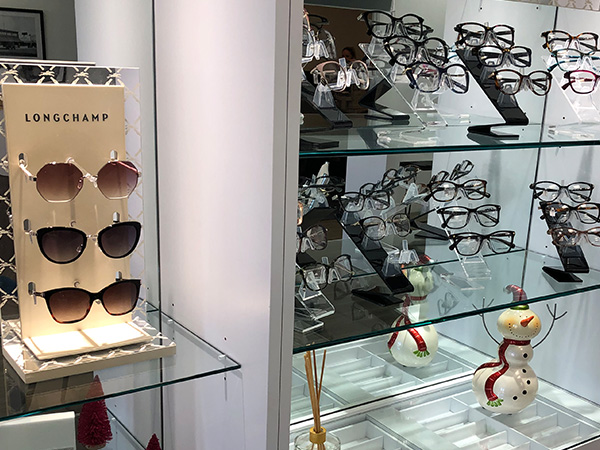
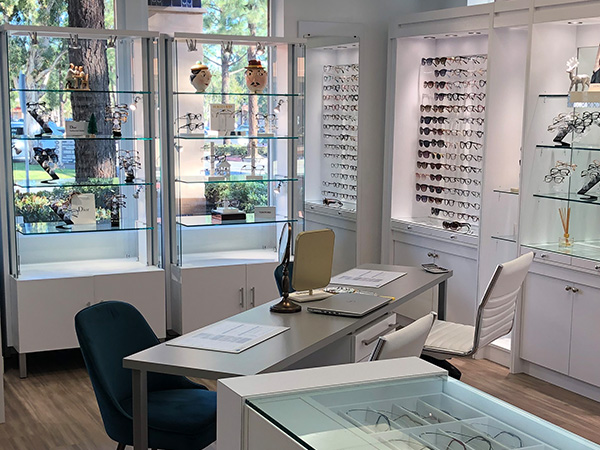
Ultimately, the best sunglasses are those that meet your lifestyle and eye health needs. At Dr. Bittel Optometry, we offer polarized and non-polarized sunglasses with 100% UV protection to suit every activity and preference.
Protect Your Vision Today
Your eyes are worth investing in, and understanding what makes polarized sunglasses different can go a long way in enhancing your visual comfort and health. Whether you’re gearing up for outdoor adventures or looking for a stylish way to stay protected, our team can guide you toward the perfect pair of lenses.
Not sure if your current sunglasses are up to the task? Book an appointment with Dr. Bittel Optometry today and explore our curated selection of high-quality, stylish eyewear.

- Monday 8:00am - 5:00pm
- Tuesday 8:00am - 5:00pm
- Wednesday 8:00am - 5:00pm
- Thursday 8:00am - 5:00pm
- Friday 8:00am - 5:00pm
- Saturday 8:00am - 12:00pm
- Sunday Closed
© 2026 Charles Bittel III, O.D., Inc.. All rights Reserved. Accessibility Statement - Privacy Policy - Sitemap
Powered by:
