


How to Unclog Meibomian Glands
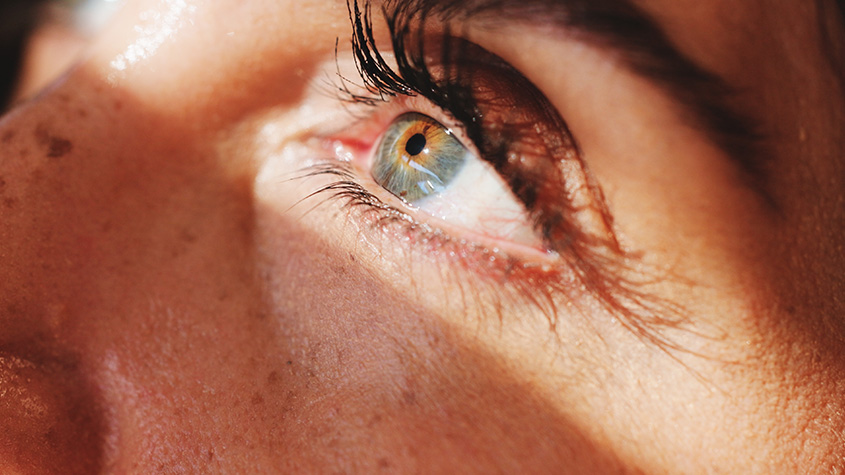
One common issue that can affect your vision is clogged meibomian glands. These tiny oil-producing glands help in lubricating and protecting the eyes.
However, when they become obstructed, it can lead to discomfort, dryness, and even blurry vision. Fortunately, there are simple and effective ways to unclog meibomian glands and restore clarity to your vision, such as eye masks, intense pulsed light, and gentle heat and massage to melt the hardened oil blocking the glands.
To promote optimal functioning and vision, visit your eye doctor for regular eye exams to prevent vision changes from progressing into serious problems.
What Is Meibomian Gland Dysfunction?
Meibomian gland dysfunction (MGD) occurs when the meibomian glands in the eyelids get blocked by hardened oils and debris. These glands in the eyelids are responsible for producing the oily layer in tears.
Tears comprise 3 layers: water, oil (meibum), and mucin layers. When the tear film lacks the oily layer, it becomes imbalanced or unstable, and your tears evaporate more quickly, leading to dry and irritated eyes. Other symptoms of meibomian gland dysfunction can include:
- Redness
- Burning
- Watery eyes
- Light sensitivity
- Foreign body sensation
- Blurry vision that comes and goes
Causes of MGD
MGD can result from various factors that result in loss of function and changes in the meibomian glands, including:
- Age: The number of meibomian glands declines, and you produce less meibum as you age.
- Environment: Low humidity can affect meibum production.
- Diet: A diet low in omega-3 fatty acids can contribute to inflammation of the meibomian glands.
- Reduced blinking of eyes.
- Medications: Certain medications and drugs can change meibomian gland function.
- Hormones: Estrogens can increase inflammation.
- Infections: Infections such as blepharitis can clog the meibomian glands.
Factors that can increase your risk of developing MGD include:
- Makeup: Wearing eye makeup, such as eyeliner on you waterline, can clog the openings of meibomian glands. You’re also more at risk if you sleep with makeup on.
- Contact lenses: Long-term contact lens wear may aggravate meibomian gland dysfunction.
Diagnosing MGD
MGD can cause dry eye disease. But to diagnose dry eye disease and MGD, your eye doctor can use diagnostic technology to detect and determine the severity of your dry eyes and test your tear film quality.
They can also check your meibomian glands for any blockages by using their fingertips to apply light pressure on the eyelids to observe the secretions or accumulated oils. Once your eye doctor confirms meibomian gland dysfunction, they can offer treatment options based on the severity of the conditions and tailored to your specific needs.
In-Office Treatment for Blocked Meibomian Glands
Several treatment options for unclogging meibomian glands include in-office procedures offered at Dr. Bittel Optometry to help restore tear film quality and relieve dry eye symptoms.
Intense Pulsed Light Therapy
Intense pulsed light (IPL) treatment uses light pulses to release and melt hardened oils clogging the glands along the eyelid margin. This treatment can include 3 to 4 sessions done over several months.
LipiFlow
LipiFlow therapy uses gentle heat to unclog blocked oil glands. A specially designed device placed over the eyes helps melt the blockage and gently massages to remove excess debris.
Punctal Plugs
Oasis punctal plugs are tiny devices inserted into your tear ducts. These block the tear ducts and prevent drainage, retaining tears in the eyes for longer, increasing lubrication, and improving tear production. Punctal plugs are safe, effective in managing dry eye symptoms, and can be temporary or semi-permanent.
At-Home Treatment for Blocked Meibomian Glands
At-home remedies can help alleviate symptoms of clogged meibomian glands, improving tear film quality and helping to relieve irritating symptoms of dry eye.
Eyelid Hygiene Products
Maintaining good eyelid hygiene is crucial for preventing meibomian gland clogging. Eyelid hygiene products can help cleanse the eyes to remove obstructed oil, excess oils, or debris from the glands and manage symptoms. Regular eyelid hygiene promotes overall eye health and reduces the risk of future blockages.
Oasis Rest & Relief Masks
At-home treatments for symptom relief can include using eye masks, similar to warm compresses on the eyes. The Oasis Rest & Relief mask is a soft mask filled with silica beads that can be heated and placed over your eyes. The gentle heat can soften oil blockages.
HydroEye Omega-3 Supplements
Healthy nutrition can also contribute to unclogging meibomian glands and promoting eye health. Consuming foods rich in omega-3 fatty acids may help improve the quality of the oils produced by the glands and improve dry eye symptoms. Sources high in omega-3s can include fish, nuts, and oils.
Treatment & Management of MGD in Yorba Linda
Clogged meibomian glands can affect your vision and quality of life. But you don’t have to live with uncomfortable dry eye symptoms. With the right approach, the eye doctors at Dr. Bittel Optometry can work to unclog your meibomian glands, bringing relief and restoring clarity to your vision.
If you experience symptoms of MGD or dry eyes, take a proactive step and book your next eye exam.

- Monday 8:00am - 5:00pm
- Tuesday 8:00am - 5:00pm
- Wednesday 8:00am - 5:00pm
- Thursday 8:00am - 5:00pm
- Friday 8:00am - 5:00pm
- Saturday 8:00am - 12:00pm
- Sunday Closed
© 2026 Charles Bittel III, O.D., Inc.. All rights Reserved. Accessibility Statement - Privacy Policy - Sitemap
Powered by:
