


Is Dark Mode Better For Your Eyes? Eye Strain & Your Phone
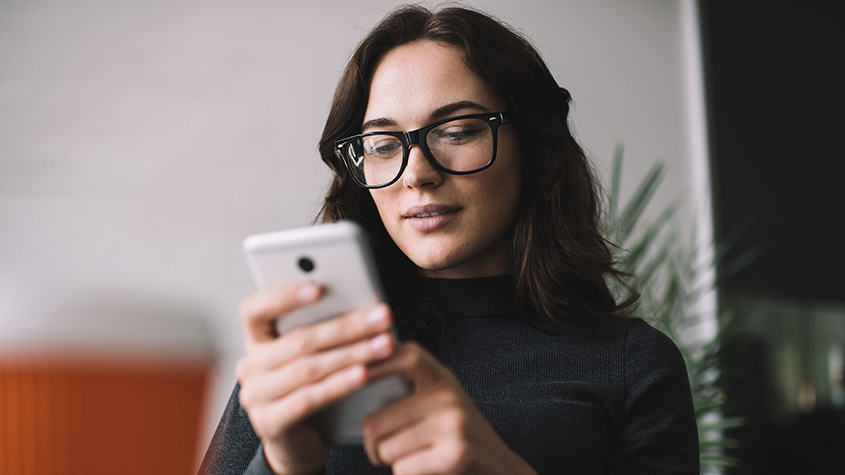
If you scroll through Instagram late at night or check emails in bed, you might have noticed a new trend: dark mode. More and more applications and operating systems are offering dark mode as an alternative to the traditional bright, white screens we’re used to.
You may wonder if this new trend is better for your eyes. Excessive screen use can lead to an increased risk of digital eye strain. But dark mode may be better for your eyes and help prevent strained eyes, especially when using your phone in low-light conditions.
Eye strain isn’t typically something you need to worry about as its symptoms usually subside when you remove the trigger, such as digital screen use or intense up-close focus. But it’s a good idea to consult your eye doctor if you’re experiencing persistent symptoms.
Understanding Digital Eye Strain
Digital eye strain (DES), also known as computer vision syndrome, is a group of eye and vision-related problems resulting from prolonged digital device use. Common symptoms include:
- Blurred vision
- Dry eyes
- Headaches
- Neck and shoulder pain
- Eye fatigue
Causes of Digital Eye Strain
There are a few potential causes and risk factors for developing DES.
One of the primary culprits behind DES is the sheer amount of time we spend in front of screens. Whether we’re working on a computer, scrolling through social media on our phones, or binge-watching our favorite series, extended screen time puts a significant strain on our eyes.
Poor posture and improper screen settings can also exacerbate DES. Sitting too close to the screen, having an awkward viewing angle, or using screens with poor contrast and brightness settings can all contribute to eye strain.
Understanding Dark Mode
Before we get into the details, let’s break down what dark mode actually is. Essentially, dark mode inverts the typical color scheme of your phone’s interface—turning the background dark and the text light. While light mode features black text on a white background, dark mode flips this to white text on a black background.
The allure of dark mode lies in its potential benefits. One of the primary reasons users switch to dark mode is the notion that it can reduce eye strain, especially in low-light conditions. The softer light emitted by a dark screen is less jarring to the eyes, making it easier to look at screens for extended periods without discomfort.
The Eyes & Screen Time
Our eyes are not naturally adapted to prolonged exposure to screens. Digital devices emit blue light, a high-energy visible light that can penetrate deep into the eye. There isn’t enough evidence to link it directly to digital eye strain or any other eye conditions. But that doesn’t mean the blue light can’t affect our lives.
Excessive screen time can also disrupt our circadian rhythm, the internal clock that regulates sleep-wake cycles. Blue light interferes with the production of melatonin, the hormone responsible for inducing sleep. This is why staring at your phone late at night can make it harder to fall asleep, contributing to poorer quality rest.
Tips for Protecting Your Eyes
Even if you’re a dark mode devotee, there are additional steps you can take to protect your eyes while using your phone. Here are some practical tips:
- Adjust screen brightness: Ensure your screen brightness matches the ambient light levels. Too bright or too dim screens can strain your eyes, regardless of the mode you’re using.
- Use blue light filters: Many phones come with built-in blue light filters. Activating these filters, especially at night, can reduce blue light exposure and potentially improve sleep quality.
- Take regular breaks: Follow the 20-20-20 rule: Every 20 minutes, look at something 20 feet away for at least 20 seconds. This practice can help reduce eye strain and fatigue.
- Blink more often: Staring at screens can reduce your blink rate, causing dry eyes. Make a conscious effort to blink more frequently to keep your eyes moist and comfortable.
- Maintain proper distance: Keep your phone at least an arm’s length away from your face. This distance can reduce strain on your eyes and neck.
Implementing these habits can create a more eye-friendly environment, whether you prefer dark or light mode on your devices.
Should You Use Dark Mode?
While dark mode has its perks, it’s not a one-size-fits-all solution. Some users find dark mode harder to read, particularly in well-lit environments. The high contrast can sometimes lead to halation, where the surrounding dark area makes the light text appear to glow, which can also strain the eyes.
Personal preference and individual visual needs play a significant role in choosing between dark and light modes. Ultimately, the best approach is to experiment with both modes and see what works for you. Combine screen settings adjustments with general eye care practices to find the most comfortable and effective setup for your daily use.
Discuss Your Symptoms with Your Optometrist
Dark mode offers a promising alternative to traditional screen settings, especially for helping keep your eyes comfortable, but it’s not a magic cure-all. Understanding the broader context of eye health and screen time is essential for making informed choices.
Call our team at Dr. Bittel Optometry today to schedule an appointment if you’re experiencing eye strain symptoms or have more questions about eye care.


- Monday 8:00am - 5:00pm
- Tuesday 8:00am - 5:00pm
- Wednesday 8:00am - 5:00pm
- Thursday 8:00am - 5:00pm
- Friday 8:00am - 5:00pm
- Saturday 8:00am - 12:00pm
- Sunday Closed
© 2026 Charles Bittel III, O.D., Inc.. All rights Reserved. Accessibility Statement - Privacy Policy - Sitemap
Powered by:
