


Blog list
Charles Bittel III, O.D., Inc. Blog
Learn more about optometrist care in our blog!

Polarized sunglasses have become a staple in today’s fashion and outdoor gear. They offer a sleek and stylish look while also protecting against the sun’s harmful rays.
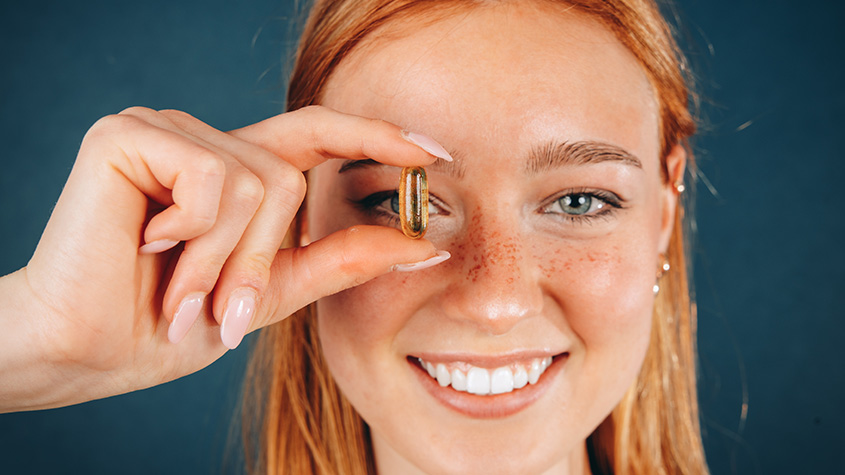
Dry eyes. Just the term conjures up images of discomfort and distress. We blink nearly 28,000 times a day, and when your eyelids feel like a desert, it’s time to talk seriously about eye hydration. There are treatments for dry eyes available which can include supplements like omega-3s.
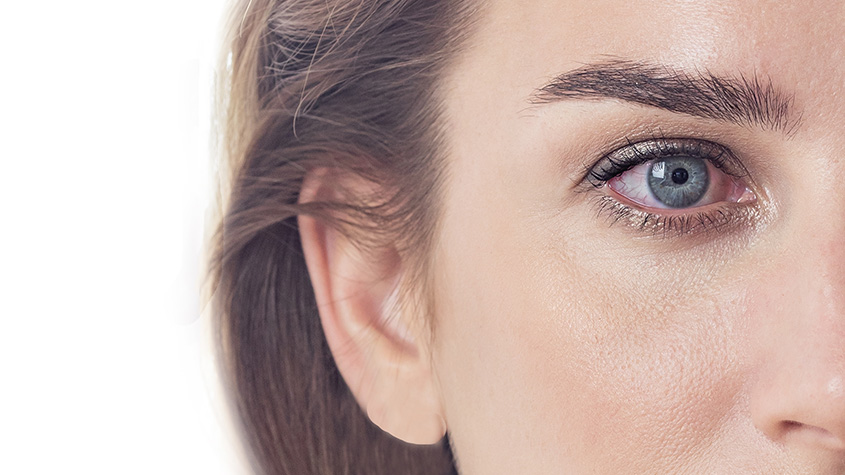
Is it possible your body’s stash of vitamins has fallen short, causing uncomfortable, dry eyes? A question that resonates with optometry patients and vitamin enthusiasts alike: Can a lack of vitamins lead to the pesky affliction?
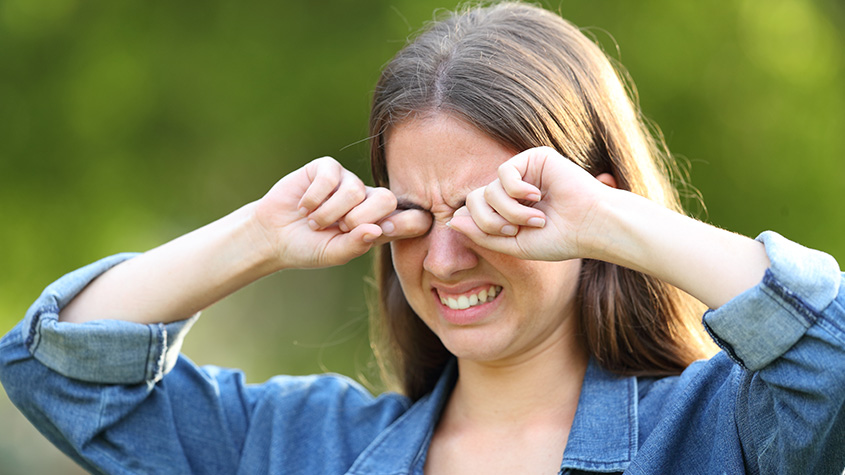
They say the eyes are the windows to the soul. But what happens when those windows are constantly plagued with irritation, dryness, and itchiness? We rely on our eyes for a lot to get us through the day. Uncovering the cause of your discomfort is the first step to finding relief, and your optometrist is well-equipped to help with comprehensive eye exams.

Have you ever woken up with eyes that feel like sandpaper? Or, have you noticed that your eyes are particularly dry and irritated in the morning? If so, you’re not alone. Many people experience dry eyes in the morning, and there are several reasons why.

A sometimes unfortunate side effect of this technology age is how much time we spend using digital screens, such as mobile phones or computers. Digital eye strain is an occasional reality for many people.

Dry eye disease is an irritating condition resulting from dysfunction in your tear film. It can negatively affect your vision, make it difficult to wear contact lenses, and significantly impact your life.

Dry eye is a common condition that occurs when the eyes do not produce enough tears or when the tears evaporate too quickly. This can lead to discomfort, redness, and a feeling of dryness or grittiness in the eyes.
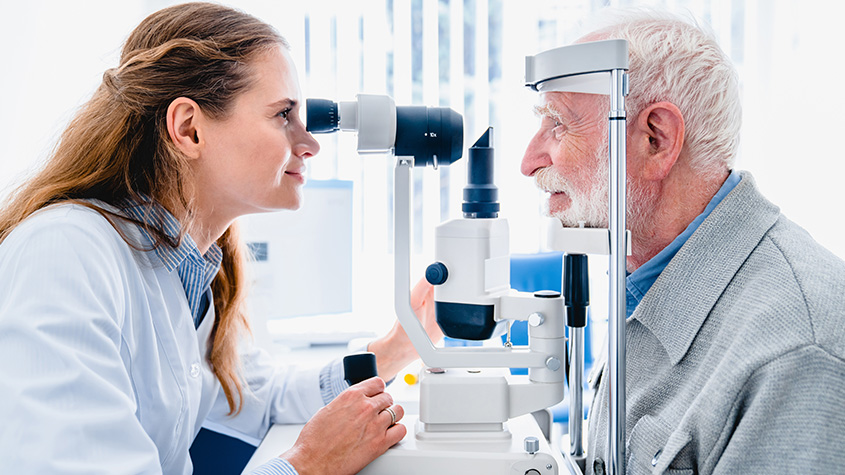
Eye exams are not only for vision correction and updating your prescription for glasses or contact lenses.
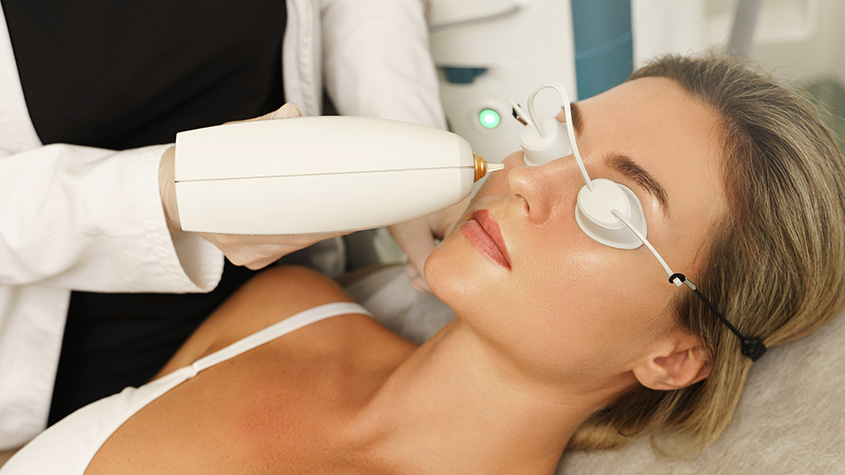
Dry eyes may sound like a minor inconvenience, but they can be disruptive to your work, academics, and leisure time. Dry eye can occur when your eyes don’t produce sufficient tears to stay lubricated or the tears evaporate too rapidly. The result is often discomfort, irritation, and vision problems that affect your quality of life.


- Monday 8:00am - 5:00pm
- Tuesday 8:00am - 5:00pm
- Wednesday 8:00am - 5:00pm
- Thursday 8:00am - 5:00pm
- Friday 8:00am - 5:00pm
- Saturday 8:00am - 12:00pm
- Sunday Closed
© 2026 Charles Bittel III, O.D., Inc.. All rights Reserved. Accessibility Statement - Privacy Policy - Sitemap
Powered by:
